Choosing among the 2026 best Vessel Chartering Services requires more than comparing advertised freight rates. Global buyers need dependable tonnage, transparent contracts, accurate schedules, and responsive communication across time zones. A vessel may look economical on paper, yet port congestion, draft limits, weather delays, or unsuitable cargo equipment can quickly change the outcome.
Kitack Lim, former Secretary-General of the International Maritime Organization, said, “Shipping is the backbone of the global economy.” His statement highlights the responsibility behind every chartering decision. Professional charterers connect cargo owners with suitable vessels while reviewing safety records, flag status, class certification, insurance, and environmental performance. They also monitor laycan windows, demurrage terms, bunker arrangements, and port restrictions. Small contract details matter.
This guide examines reputable Vessel Chartering Services for buyers planning international shipments in 2026. It considers market experience, vessel access, digital tracking, documentation quality, and practical customer support. Strong providers should explain risks clearly, not hide them behind polished sales language. They should also respect applicable maritime regulations and verified trade controls.
No ranking is permanent. Market conditions shift quickly. Our criteria are useful, but not flawless. A buyer’s cargo type, route, volume, and timing still determine the best choice. One service may excel with bulk commodities, while another performs better for project cargo or regional coastal routes. The most reliable decision often begins with careful questions, realistic schedules, and evidence from completed voyages.
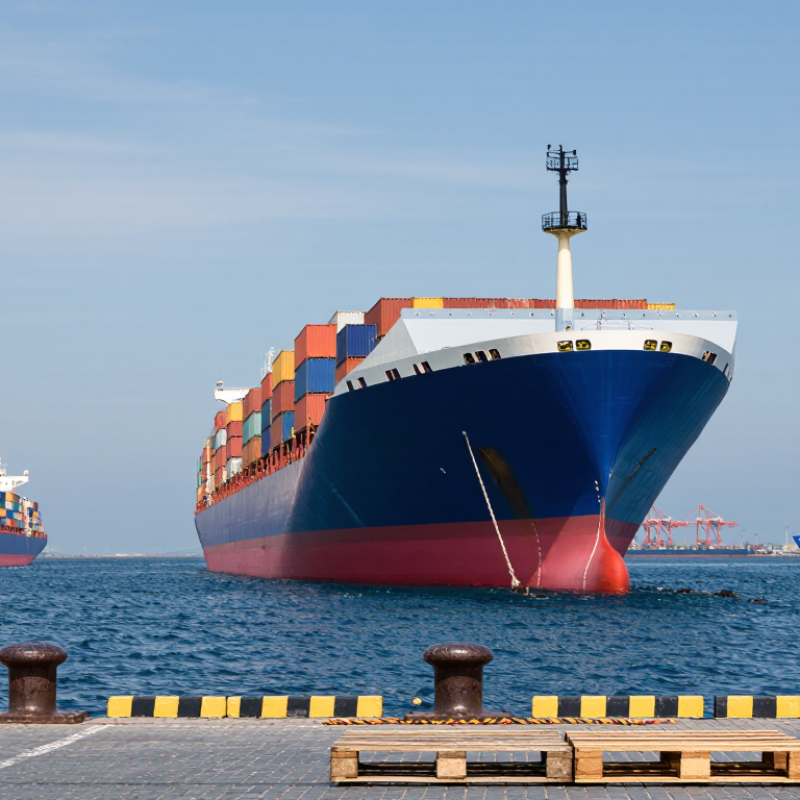
What Vessel Chartering Services Are and How They Work
Vessel chartering is the organized hiring of a ship to move defined cargo between agreed ports. A buyer may charter directly or use an independent broker to compare available vessels. The main choices are voyage charter and time charter. A voyage charter covers one route and cargo. A time charter provides vessel use for an agreed period. The charterer then plans employment within contract limits. This distinction affects cost, control, and operational risk.
The process starts with cargo details, loading windows, discharge ports, draft limits, and handling equipment. Brokers circulate inquiries, while owners offer vessels, rates, and schedules. Negotiation covers freight, laycan, demurrage, dispatch, fuel, weather delays, and cancellation rights. After agreement, both sides sign a charter party. Port agents coordinate notices, cargo documents, inspections, and berth updates. A small date error can create expensive idle time.
Reliable buyers check the vessel’s age, maintenance records, class status, insurance, ownership documents, and trading history. They also verify sanctions screening and local port requirements before fixing. During the voyage, performance data, noon reports, and independent surveys support payments and claims. In practice, estimates are never perfect. Weather, congestion, and draft changes can disrupt a careful plan. I would leave schedule margin, because a cheaper fixture can become costly when assumptions remain untested. Clear clauses and written records matter more than confident promises.
Key Charter Types for Different Global Shipping Requirements
Global buyers need charter structures that match cargo volume, timing, and route uncertainty. A voyage charter suits a single shipment with a defined origin, destination, and loading window. The owner usually manages the vessel, crew, fuel, and operations. Buyers should examine freight terms, demurrage rates, port limits, and cargo-handling responsibilities before signing.
A time charter offers vessel use for a fixed period. It can support regular shipments across several ports, especially when demand changes by season. The charterer often pays fuel and voyage-related expenses. This arrangement provides flexibility, but daily hire rates can hide exposure to idle time, weather delays, or congested terminals. Small clauses matter greatly.
Bareboat chartering transfers more control and responsibility to the charterer. It may suit experienced operators with technical staff, maintenance systems, insurance access, and compliance procedures. Contract of Affreightment arrangements work better for repeated cargo volumes without requiring one dedicated vessel. They can protect supply planning, though forecasts are rarely perfect. Independent vessel inspections, class records, safety documents, and verified ownership information help buyers reduce operational surprises. Local port rules and environmental requirements also deserve careful review. A cheaper structure is not always the safer one.
Best Practices for Selecting a Reliable Chartering Partner
Selecting a reliable vessel chartering partner requires more than comparing daily freight quotes.
UNCTAD’s Review of Maritime Transport 2024 recorded about 12.3 billion tons of seaborne trade in 2023. It also highlighted longer routes, rising costs, and schedule uncertainty. These pressures make operational transparency essential.
Request verified records for vessel age, flag, class, insurance, inspection history, and technical management. Check whether the partner matches vessel capacity to cargo type, port limits, draft restrictions, and laycan dates.
A professional charterer should explain bunker assumptions, demurrage terms, weather allowances, and port-cost estimates in plain language. Ask for a written escalation process when delays occur. Small details matter.
Review financial resilience as well. A low offer may hide weak contingency planning. Compare recent fixture performance, cancellation records, and payment practices through reliable trade references.
The International Maritime Organization’s 2023 greenhouse-gas strategy also supports selecting partners with credible efficiency and emissions plans. Fuel data, voyage-speed records, and modern operational controls deserve practical verification, not broad promises.
No scorecard is perfect. I would still require independent documents, because trust alone cannot protect a cargo schedule. Recheck key information before signing, especially after major market disruptions or regulatory changes.
Conclusion
This guide explains how Vessel Chartering Services help global buyers arrange the right ships for transporting cargo across international routes. It introduces the chartering process, from defining cargo requirements and selecting suitable vessel capacity to negotiating schedules, ports, and operational responsibilities. It also compares major charter types, including voyage, time, and bareboat charters, showing how each option can support different shipping volumes, timelines, and levels of control.
The article further outlines how to evaluate chartering providers in 2026 by reviewing fleet access, market expertise, communication, safety standards, and service reliability. It discusses key contract terms, pricing structures, fuel and port cost responsibilities, insurance, environmental requirements, and regulatory compliance. Finally, it presents practical steps for choosing a dependable chartering partner, including checking references, clarifying performance expectations, assessing risk-management procedures, and ensuring transparent documentation throughout the shipping process.