Global logistics insights and freight updates – PLS

Logistics Insights &
Global Supply Chain News

Container terminal and freight forwarding trends – Premier Logistics

Industry Trends &
Expert Trade Knowledge

0%

Why Do Global Buyers Need Marine Cargo Insurance Services?

Global purchasing rarely ends when a supplier seals a container. The cargo may travel by truck, vessel, rail, and port equipment before reaching its destination. At each stage, physical loss or damage can occur. Water may enter through a damaged container roof. A forklift may crush cartons during transshipment. Temperature-sensitive goods may deteriorate after an unexpected delay.

Martin Stopford, a respected maritime economist, wrote, “Shipping is a derived demand.” His observation explains why cargo protection matters to global buyers. Goods move because businesses need reliable supply, not because transportation is risk-free. Marine Cargo Insurance Services help buyers manage financial exposure during that movement. Coverage may respond to events such as heavy weather, handling damage, theft, or accidental loss, depending on the policy wording.

The details matter greatly. Buyers should examine the insured value, deductible, voyage limits, exclusions, and claims procedures. They should also review commercial invoices, packing records, bills of lading, and delivery photographs. These documents can clarify what happened and support a properly assessed claim. Incoterms may influence which party arranges insurance, but they do not remove the need for careful review.

No policy is perfect. That deserves honest reflection. A low premium may provide narrow protection, while broad coverage may increase costs. Experienced brokers, insurers, surveyors, and logistics teams can identify practical gaps before shipment. For global buyers, Marine Cargo Insurance Services are not merely an administrative expense. They are a measured response to uncertainty across a supply chain. Reliability begins before the container leaves the port.
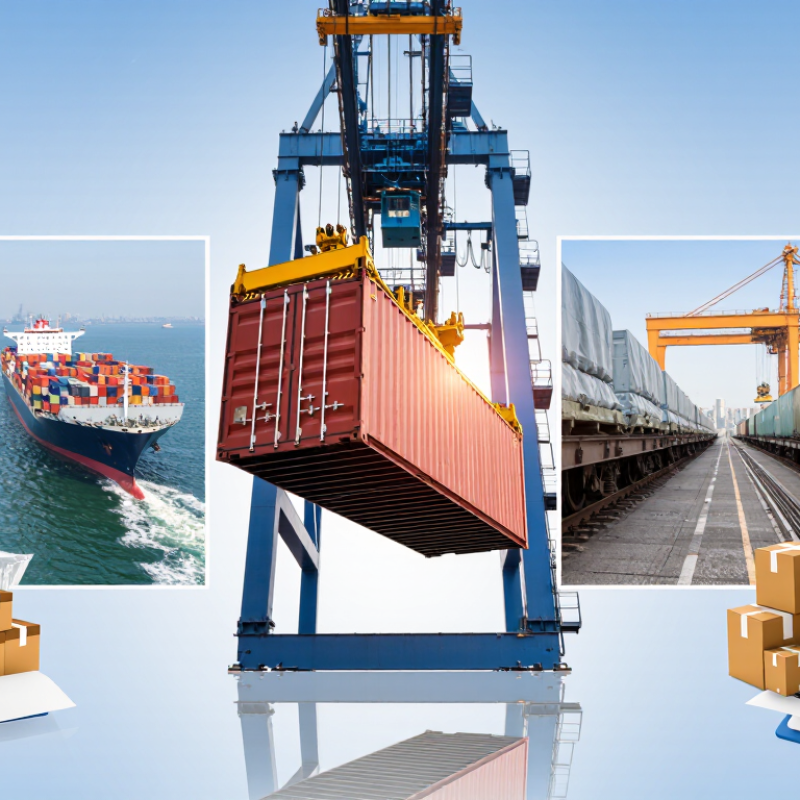
Why Do Global Buyers Need Marine Cargo Insurance Services?

Global Exposure: UNCTAD Says Ships Carry Over 80% of World Trade

UNCTAD reports that ships carry more than 80% of global trade by volume. This figure makes maritime transport central to international purchasing.

A buyer may order machinery, textiles, food ingredients, or electronics from thousands of miles away. The cargo then faces loading pressure, rough seas, port handling, and inland transfer. One damaged container can disrupt production schedules and customer commitments.

Marine cargo insurance helps protect buyers from covered physical loss or damage during transit.

For example, seawater may enter a container after a storm. A crane may also damage a pallet during unloading. Refrigerated goods can deteriorate when equipment fails. Without suitable coverage, the buyer may carry the financial burden, even when the cargo never reaches the warehouse.

Protection must match the shipment, route, packaging, and contract terms. Cheap coverage may leave important gaps. That deserves careful review. Buyers should document cargo condition, keep invoices, record packing details, and understand claim procedures before shipment. Insurance cannot prevent every delay or loss. It also cannot repair poor packaging. Still, it can provide a structured financial response when global supply chains behave unpredictably. That risk is easy to underestimate.

Loss Drivers: Allianz Recorded 26 Total Ship Losses in 2023

Why Do Global Buyers Need Marine Cargo Insurance Services?

A 2023 marine safety review recorded 26 total ship losses worldwide. Each loss represents more than a damaged vessel. It may involve containers, machinery, raw materials, and delayed production schedules. Fire, severe weather, grounding, collision, and onboard failures can damage cargo before it reaches the destination. Even a carefully packed shipment can face rough seas, water exposure, or port handling accidents.

Marine cargo insurance helps transfer these financial risks from the buyer’s balance sheet. Coverage should match the cargo’s value, route, packaging, and transport terms. A shipment of precision equipment needs different attention than steel coils or temperature-sensitive goods. Buyers should review exclusions, deductibles, claim procedures, and required evidence before signing. Small wording differences matter. They can become expensive later.

Tips: Record the cargo condition with dated photographs. Keep invoices, packing lists, and transport documents together. Confirm whether coverage includes warehouse storage and inland delivery. Do not assume every loss is covered. That assumption is easy, but often wrong. Also, reassess protection when routes change, because a familiar route can still develop unfamiliar risks.

Market Context: IUMI Valued 2023 Marine Premiums at $38.9 Billion

In 2023, global marine insurance premiums reached an estimated $38.9 billion, according to industry data. This figure reflects the scale of international trade and its exposure to disruption. Cargo may travel through ports, warehouses, rail networks, and open seas before reaching a buyer. Each transfer creates another point of risk.

A buyer importing machinery, for example, may face damage from seawater, rough handling, theft, or container collapse. Standard carrier liability may not cover the full commercial value. Marine cargo insurance can protect the invoice value, freight costs, and certain additional expenses, depending on the policy wording. Accurate packing details and declared values matter. Small errors can become expensive disputes.

The $38.9 billion estimate is important, but it needs careful interpretation. Premium totals can change with freight volumes, inflation, commodity prices, and claims activity. They do not prove that every buyer has adequate protection. That is the uncomfortable part. Some companies still purchase cover without reviewing exclusions, deductibles, or transit limits. Experienced buyers compare routes, cargo sensitivity, contract responsibilities, and loss records before selecting coverage. A frozen shipment, a steel coil, and precision electronics need different risk decisions. One policy rarely fits all.

Why Do Global Buyers Need Marine Cargo Insurance Services?

Marine cargo insurance helps protect the value of goods during international transportation. Based on IUMI's 2023 global marine insurance premium estimate of $38.9 billion, cargo represented approximately 52.4% of the total market, making it the largest marine insurance segment.

Estimated segment values are calculated from the reported 2023 global marine premium total and segment shares: Cargo 52.4%, Marine Hull 24.4%, Offshore Energy 13.3%, and Marine Liability 10.0%. Source: International Union of Marine Insurance (IUMI), 2023 market statistics.

Coverage Choices: Match Cargo, Routes, Incoterms, and Risk Limits

Global buyers do not face one generic marine risk.

UNCTAD’s Review of Maritime Transport 2023 states that over 80% of global merchandise trade moves by sea. A sealed electronics container needs different protection from chilled food or heavy machinery. Cargo value, packaging, temperature sensitivity, and handling points should shape the policy wording. Routes change.

Incoterms allocate costs, delivery points, and insurance duties, but they do not replace policy review. Under Incoterms 2020, CIF generally requires minimum insurance, while CIP generally requires broader cover. However, contractual amendments can change these obligations. A buyer using FOB should arrange protection from the agreed risk-transfer point.

Check transshipment, inland delivery, port storage, piracy, weather, and war-related exclusions. Delay alone may not qualify as physical cargo damage.

Limits matter. The World Bank’s Logistics Performance Index 2023 reports that shipments spend about 44 days moving from export-country entry to destination-country arrival. Longer transit can increase exposure and warehouse accumulation. Set limits using invoice value, freight, duties, expected profit, and peak shipment volumes.

Review deductibles and sublimits for fragile, refrigerated, or high-value cargo. A two-million-dollar annual limit may look sufficient, yet fail during one seasonal shipment surge.

The uncomfortable lesson is simple: an Incoterm is not a complete insurance plan. Policy schedules deserve a second, skeptical reading.

Claims Protection: Use IUMI Standards to Improve Documentation and Recovery

Why Do Global Buyers Need Marine Cargo Insurance Services?

A cargo insurance claim often turns on evidence, not confidence. A buyer may receive wet cartons, crushed pallets, or a broken seal at the destination. Without clear records, recovery becomes slower and harder to defend. IUMI-aligned documentation practices help create a reliable evidence trail. Record the cargo condition before loading. Photograph packaging, labels, container numbers, and seal details. Keep the commercial invoice, packing list, transport document, and inspection reports together. Add dates and local times to every record. Small gaps matter.

Claims Protection: Use IUMI Standards to Improve Documentation and Recovery

Use consistent descriptions for goods, quantities, packaging, and visible damage. Do not write “damaged” alone. Note the location, extent, and likely handling point. Report exceptions promptly to the carrier and insurer. Request a joint survey when damage is substantial. Preserve damaged packaging until instructions arrive. These steps support causation analysis and reduce avoidable disputes. They also help insurers assess recovery against responsible parties. Still, no checklist is perfect. A photograph may show damage but not its timing. A signed delivery record may confirm receipt, yet miss hidden damage.

Tips: Assign one claims coordinator before shipment. Store original files securely. Use clear filenames with shipment dates. Compare documents before departure. Recheck seal numbers at each handover. Train warehouse staff briefly. Practical discipline beats rushed paperwork.

Why Do Global Buyers Need Marine Cargo Insurance Services? – Claims Protection: Use IUMI Standards to Improve Documentation and Recovery

IUMI-aligned marine cargo claims documentation matrix for improving notification, evidence quality, recovery, and subrogation outcomes

Claims Stage Key Data Dimension Required or Recommended Evidence Why It Matters for Recovery Good Documentation Practice Priority
Before Shipment Insurable interest and cargo value Commercial invoice, purchase contract, sales terms, declared cargo value, currency, and applicable insurance certificate or policy schedule. Establishes the insured value, the parties’ financial interest, and whether the claimed amount is consistent with the insured shipment. Record the cargo description, value basis, valuation method, and applicable policy terms before the goods leave the origin. High
Before Shipment Packing and cargo condition Packing list, container loading record, photographs of packaging, seal number, cargo marks, quantity, and visible condition at dispatch. Helps distinguish transit damage from inadequate packing, pre-existing damage, handling damage, or quantity discrepancies. Capture time-stamped photographs showing the cargo, packaging, container interior, securing materials, and seal before closure. High
During Transit Transport chain and custody Bill of lading or equivalent transport document, booking details, container number, seal number, routing, transshipment points, and delivery records. Creates a traceable chain of custody and supports identification of where loss, shortage, delay, or damage may have occurred. Keep transport documents consistent with invoices, packing lists, customs records, and electronic tracking data. High
At Delivery Exception and damage notation Delivery receipt, tally sheet, outturn report, shortage record, seal discrepancy, damage notation, and photographs taken at the place of delivery. Immediate written evidence supports the timing and apparent cause of loss and reduces disputes over whether damage occurred after delivery. Record visible damage or shortage specifically rather than using only general wording such as “received in apparent good order.” High
Claim Notification Timeliness and notice Written notice of loss, claim reference, shipment details, date of discovery, location, preliminary loss estimate, and notification to the insurer or claims representative. Timely notice allows inspection, preservation of evidence, mitigation, and investigation before records or physical evidence are lost. Notify the relevant parties promptly and follow the notice periods stated in the insurance policy, transport contract, and applicable law. High
Investigation Cause, extent, and quantum of loss Survey report, inspection photographs, temperature or humidity records where relevant, repair estimate, replacement invoice, disposal record, and loss calculation. Separates covered physical loss or damage from excluded causes and supports a transparent calculation of the claim amount. Preserve damaged goods and packaging for inspection unless disposal is necessary for safety or legal reasons; document any disposal decision. High
Mitigation Reasonable loss prevention measures Storage records, quarantine instructions, reconditioning proposals, repair decisions, emergency handling costs, and evidence of efforts to prevent further deterioration. Demonstrates that the insured acted reasonably after discovering the loss and helps control avoidable additional damage and expenses. Separate salvageable, damaged, and contaminated cargo; document decisions, approvals, costs, and final disposition. Medium
Recovery Third-party responsibility and recourse Carrier correspondence, delivery exceptions, survey findings, handling records, contractual terms, letters of reservation, and signed acknowledgements of responsibility where available. Supports recovery from carriers, warehouses, freight handlers, or other responsible parties and helps preserve subrogation rights. Avoid releasing responsible parties from liability or signing broad waivers before obtaining appropriate claims guidance. High
Settlement Completeness and consistency of the claim file Completed claim form, policy details, transport documents, invoice, packing list, survey report, loss calculation, payment evidence, and bank details. A complete and internally consistent file reduces clarification cycles and allows the insurer to assess coverage, liability, and quantum efficiently. Use one shipment reference across all documents and reconcile quantities, weights, values, dates, and currencies before submission. Standard
Special Events General average or extraordinary sacrifice General average notice, security requirements, commercial invoice, bill of lading, cargo value declaration, and evidence of cargo involvement in the voyage. General average procedures can require security before cargo release; accurate cargo information helps protect the buyer’s financial interest. Refer to the policy wording and obtain specialist claims guidance when a general average declaration or other extraordinary maritime event occurs. High

Practical control point: Maintain a shipment-specific digital file containing the policy or certificate, commercial invoice, packing list, transport document, delivery evidence, photographs, correspondence, survey records, mitigation costs, and recovery documents. Coverage, exclusions, deductibles, valuation rules, notice periods, and liability limits always depend on the applicable policy, contract, and law.

FAQS

Why is marine cargo insurance important for global shipments?

Ships carry over 80% of global trade by volume. Cargo may face storms, cranes, ports, warehouses, and inland transport. One damaged container can disrupt production and customer deliveries. Insurance cannot prevent loss.

What types of cargo damage may marine insurance cover?

Coverage may respond to seawater, rough handling, container collapse, theft, or equipment failure. Refrigerated food may spoil after a cooling breakdown. A damaged pallet can affect expensive machinery. The policy wording controls the result.

Does carrier liability usually protect the cargo’s full value?

Not always. Carrier liability may be limited by contracts, transport rules, or declared values. It may not equal the invoice value. Buyers should not assume the carrier will pay everything.

What information should buyers prepare before shipping?

Keep invoices, packing details, cargo photographs, declared values, and transport documents. Record visible damage before loading. Note temperature requirements for sensitive goods. Small paperwork errors can create expensive disputes.

How should insurance match different cargo types?

Electronics need protection against impact and moisture. Chilled food needs temperature-related review. Heavy machinery needs careful handling terms. One policy rarely fits every shipment.

Do delivery terms automatically provide sufficient insurance?

No. Delivery terms assign costs, responsibilities, and risk-transfer points. They do not replace a full policy review. Some terms require minimum cover, while others may leave the buyer responsible. That assumption can fail.

Which route details should buyers review?

Check transshipment, port storage, inland delivery, weather exposure, and war-related exclusions. Longer routes create more handling points. Some shipments spend about 44 days moving between export and destination stages. More time means more exposure.

How should buyers set policy limits?

Consider invoice value, freight, duties, expected profit, and peak shipment volumes. Review deductibles and sublimits for fragile or refrigerated cargo. A yearly limit may look adequate, then fail during seasonal demand. Review it again.

Conclusion

Global trade depends heavily on maritime transportation, with ships carrying more than 80% of the world’s traded goods. This extensive reliance also creates significant exposure to risks such as storms, collisions, fire, theft, cargo damage, and total vessel loss. In 2023, the industry recorded 26 total ship losses, highlighting why businesses need reliable protection when moving goods across international routes. With global marine insurance premiums reaching approximately $38.9 billion that year, marine coverage remains an essential part of international commerce.

Marine Cargo Insurance Services help buyers protect shipments according to the type of cargo, transportation route, Incoterms, and acceptable risk limits. Appropriate coverage can reduce financial uncertainty and support business continuity when unexpected losses occur. Buyers should also maintain accurate invoices, packing lists, transport documents, inspection reports, and incident records. Following recognized industry documentation practices can strengthen claims, speed up recovery, and improve cooperation among buyers, sellers, carriers, and insurers.

Ethan Mercer

Ethan Mercer

Ethan Mercer is a professional marketing specialist with a strong understanding of the company’s products, customers, and industry landscape. With a practical, research-driven approach, he regularly contributes expert articles to the company’s blog, sharing useful insights, product knowledge,......